
 Solicitar Orçamento
Changes in international trade underscore the importance of operational efficiency and technology in the meat-processing industry.
The international beef market experienced a significant shift in September 2026. Chinese beef imports totaled approximately 152,120 metric tons, the lowest monthly volume since May 2020. This represented a 30.48% decrease compared with August and a 52.37% decline compared with September 2025, according to Chinese government data analyzed by Agrifatto and reported by Portal DBO.
The contraction is primarily associated with new trade measures adopted by China, which established import quotas for individual supplying countries. For Brazil, the exhaustion of its annual quota created an additional challenge for continued shipments, as higher tariffs began applying to volumes exceeding the established limit.
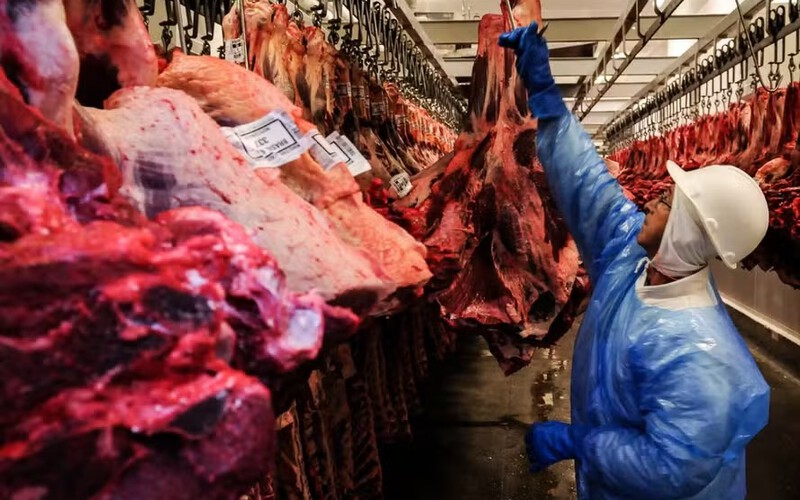
Brazil Faces Changing Export Conditions
In 2026, China established a quota of approximately 1.106 million metric tons for Brazilian beef. Once that limit was reached, excess volumes became subject to an additional 55% tariff on top of the existing import duty.
This situation prompted exporters to reassess shipment schedules and the planning of operations destined for the Chinese market. Meanwhile, suppliers such as Argentina and Uruguay increased their shares of Chinese imports in September by taking advantage of the remaining capacity within their respective quotas.
Despite the sharp monthly decline, Brazil maintained a significant position in China’s beef supply over the year to date, demonstrating the strategic importance of this market to Brazil’s livestock industry.
Industrial Efficiency Becomes Increasingly Important
In a more competitive and constantly changing trade environment, industrial process efficiency becomes an important factor for slaughterhouses and meat-processing companies.
Raw material utilization, cut consistency, production-line productivity and waste reduction are all aspects that contribute to more efficient operations. In this context, technology applied to food processing can help companies organize their processes, maintain consistent production and meet the requirements of different markets.
Industrial equipment designed for grinding, dicing and shredding operations, for example, can support product standardization and optimize processing stages according to the needs of each operation.
Technology and Planning to Keep Pace with the Market
Fluctuations in imports and changes in international trade rules reinforce the need for planning and investment in efficient production processes. Beyond monitoring market movements, manufacturers need to continually assess how to produce with quality, consistency and better utilization of available resources.
Precisão Inox develops food-processing solutions and equipment designed to meet the needs of the meat industry. In a sector where productivity and quality are strategic factors, investing in technology is an important part of preparing for market challenges and opportunities.
Precisão Inox — Built to Last.
Source and credit: Information based on the article “China importa em set/26 o menor volume de carne bovina desde maio de 2020,” published by Portal DBO, drawing on Chinese government data and analysis by Agrifatto.
Original article: https://portaldbo.com.br/china-importa-em-set-26-o-menor-volume-de-carne-bovina-desde-maio-de-2020/