
 Solicitar Orçamento
Rising futures prices reflect limited cattle availability and reinforce the need for operational efficiency across the beef processing industry.
Brazil’s cattle market reached a new milestone in October 2026. Live cattle futures contracts for November and December exceeded R$ 400 per arroba on B3, Brazil’s stock exchange, setting new record highs during the trading session on October 27.
According to data published by CNN Brasil, the November contract reached R$ 400.55 per arroba, while the December contract climbed to R$ 400.50. In São Paulo’s physical cattle market, the Cepea/Esalq indicator also reached a nominal record, hitting R$ 381.40 per arroba on October 26.
These movements highlight the strength of Brazilian cattle prices and the factors influencing price formation in one of the country’s most important agribusiness supply chains.
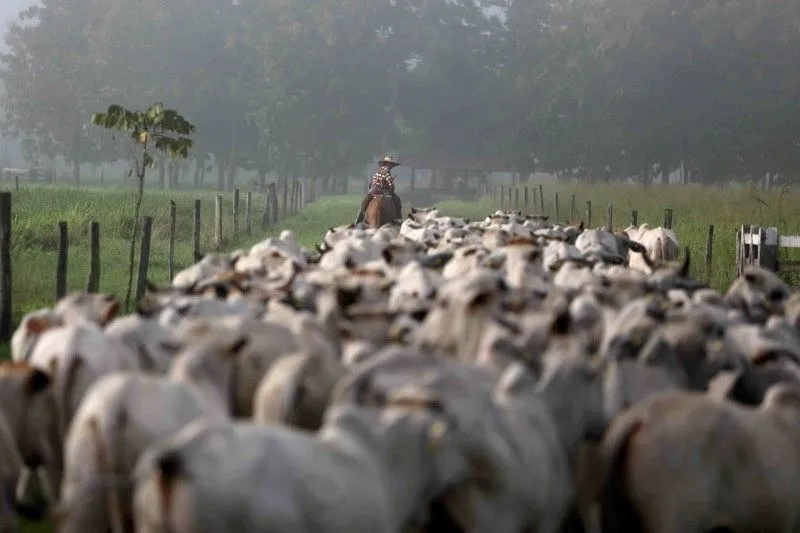
Limited cattle supplies influence prices
Factors associated with the price increase include the limited availability of finished cattle ready for slaughter, shorter slaughter schedules at meatpacking plants, cattle retention by producers, and higher herd replacement costs.
Live cattle exports are also among the factors affecting supply dynamics. Meanwhile, the market continues to monitor changes in Brazilian beef export volumes and access conditions in major international markets.
Together, these factors keep the balance between supply and demand in focus, particularly as the end of the year approaches.
Industrial efficiency becomes increasingly important
When raw material prices rise, managing industrial costs becomes even more important for meat processors. Competitiveness depends not only on purchasing and selling conditions but also on the ability to maximize raw material utilization, reduce losses, maintain productivity, and ensure consistent quality standards.
In this environment, modernizing production processes can help improve operational efficiency. Equipment designed for animal protein processing, with an emphasis on durability, ease of sanitation, and operational reliability, can help processors strengthen control over their production routines.
Automation and process standardization can also support productivity, reduce manual intervention, and improve operational predictability, depending on the specific requirements of each industrial facility.
Market conditions call for strategic decisions
Higher cattle prices do not automatically translate into improved profit margins for meatpacking companies. Financial performance depends on several variables, including livestock procurement costs, processing yields, operating expenses, beef demand, and commercial conditions in domestic and international markets.
Monitoring cattle market trends and identifying opportunities for operational improvement are therefore important steps toward maintaining competitiveness throughout different price cycles.
For the meat processing industry, investing in technology, reliable equipment, and production efficiency is a relevant strategy for navigating market fluctuations while meeting quality and performance requirements.
Precisão Inox follows the development of the animal protein supply chain, focusing on the engineering and manufacturing of stainless steel machinery and equipment for industrial processing operations.
Reference source: CNN Brasil, “Boi gordo supera R$ 400/@ nos contratos de novembro e dezembro na B3”, published on October 27, 2026. This article was independently written for the Precisão Inox blog using information from the original report.
Read the original report: https://www.cnnbrasil.com.br/agro/boi-gordo-supera-r-400-nos-contratos-de-novembro-e-dezembro-na-b3/