
 Solicitar Orçamento
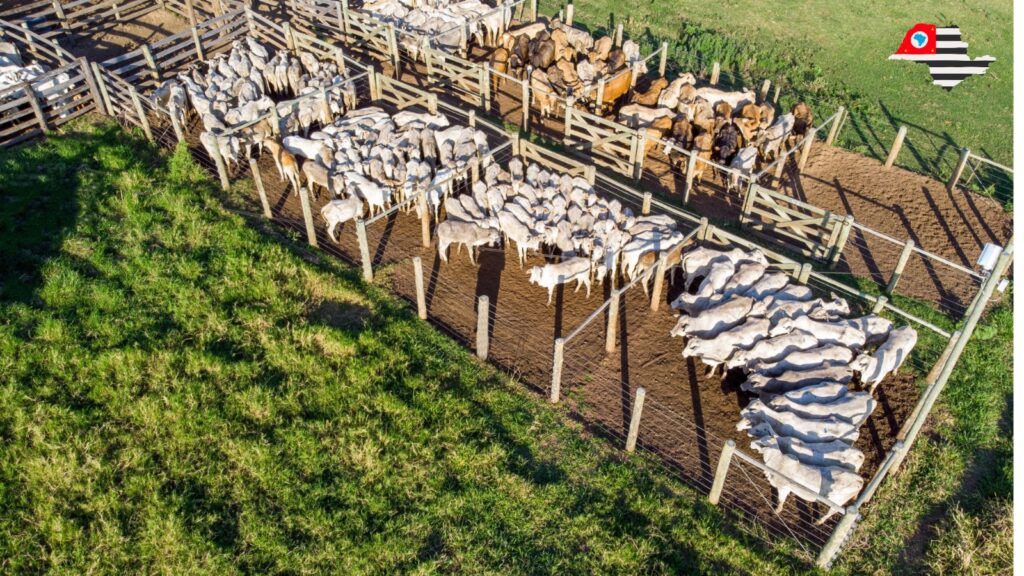
Brazil’s beef industry faces a challenging market environment in early October 2026. Live cattle prices have been rising faster than wholesale beef prices, narrowing the gap between livestock procurement costs and revenue from beef sales, putting pressure on meatpackers’ operating margins.
According to an analysis by the Center for Advanced Studies in Applied Economics (Cepea), reported by Canal Rural, limited availability of finished cattle and difficulties in securing sufficient animals for slaughter are among the main factors supporting cattle prices in the state of São Paulo.
The Growing Gap Between Input Costs and Sales Prices
When cattle prices increase faster than wholesale beef prices, meatpacking companies face a significant challenge: managing higher input costs without compromising commercial competitiveness.
This environment requires close attention to pricing strategies, livestock procurement planning, processing yields, and the effective utilization of meat and slaughter by-products. Profitability analysis, therefore, involves much more than comparing livestock purchase prices with revenue from beef sales.
Operating expenses, carcass yields, and revenue from other products also play an important role in determining the financial performance of processing operations.
Operational Efficiency as a Competitive Advantage
When margins come under pressure, industrial efficiency becomes even more important. Well-structured processes, suitable equipment, and standardized operations can help reduce losses, improve productivity, and provide greater control over processing costs.
Technology in meat processing facilities can also optimize production flows and improve the utilization of installed capacity. These factors are particularly relevant for companies seeking to remain competitive amid fluctuations in raw material prices.
Investing in industrial equipment designed around specific operational requirements can therefore become a strategic advantage, particularly when the objective is to increase productivity while maintaining quality, safety, and process reliability.
Market Outlook
According to the Cepea analysis reported by Canal Rural, cattle price movements in the coming weeks will depend primarily on livestock availability, slaughter schedules, and wholesale beef demand.
Seasonally stronger consumption during the final quarter of the year may help support prices. However, the continuation of cattle price increases will depend largely on supply conditions.
For the meatpacking industry, this scenario reinforces the importance of strategic decision-making based on efficiency, cost control, and continuous improvement. In a highly competitive sector, optimizing production processes is one way to strengthen operations against market fluctuations.
Precisão Inox follows the ongoing transformation of the animal protein industry, developing machinery and equipment manufactured from AISI 304 stainless steel to support productivity, process standardization, and industrial efficiency.
Reference source: Canal Rural. Boi gordo sobe mais que a carne bovina e pressiona margens dos frigoríficos em SP. Published October 15, 2026. Read the original report.